ahhh i moved house, was made redundant and had my partner’s birthday. so it’s been a little busy, hence the blog delay!
this week i’m going to talk about my initial forary’s into game making. recently, i’ve been playing around with non-linear writing, partly as an extension of some recent work with radio but also a long time facination with non-linear storytelling.
(i think) my first video game was pokemon ruby. while fairly linear in the story it tells, mainline pokemon games include a potentially game changing decision at their start. which pokemon do you chose as your first? now this decision doesn’t change any ledigble narrative details of the story, but as a 6 year old with a big imagination, this choice defined my experience.
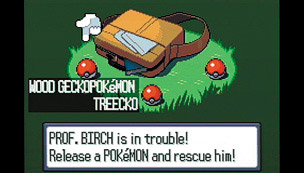
i picked treecko for people interested
starting with a core choice like this decides so much of the emergent narrative of the game. similar to a character creator, it introduces you to the idea that the game is about your relationship to the world. pulling you into a feeling of agency over who you are in this setting. you’ll spend the rest of the game making choices about the pokemon you use, so what do your pokemon say about you? what do they say about your taste and the character you are inhabiting.
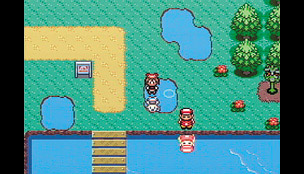
reflecting on my childhood
this year i’ve been making games as a hobby. my starting point was twine, an open source software utilising html to create branching narratives. the first twine game i played was Raik. Raik is an interactive story presenting a twin narrative of a fantasy hero on a quest and someone existing with severe anxiety and depression. one narrative is written in scots and the other in english, using translation as a narrative tool. at the time i was reading a few different books in scots and stumbled upon it (i highly recommend!).
the first game i finished this year was a small game for my partner and I’s anniversary. at the time, we were both travelling around for work and while in berlin for a show, i decided i wanted to give myself a side project to work on.
‘you’re really feeling it’ is a little choose your own adventure narrative, following a night out. i added little stat checks (thank you sugarcube!) and even mini games. i had fun but visually the game was all text.

just because its only text, doesn't mean it isn't pretty
so the next game started from character design. i doodle a lot while i’m working, just something to keep my hands busy while i’m thinking. from this, i designed a little mushroom character and began thinking about what it would take to have him move around. so i drew some movements.
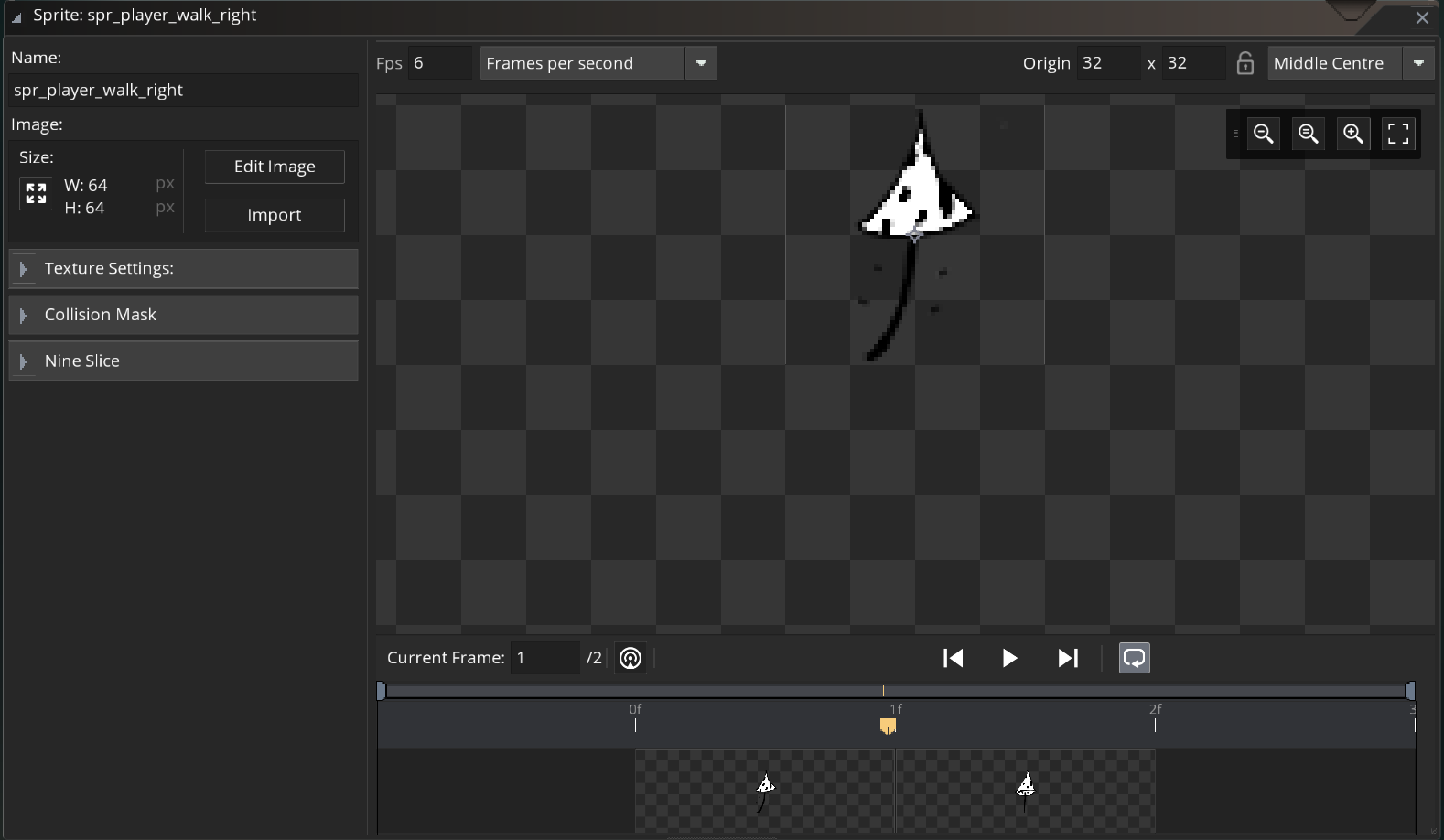
hop!
that quickly spiraled into a tutorial with GameMaker (another development software) and the idea of adapting one of mine (and my partners) favourite poems, allen ginsberg’s “a supermarket in california”. i already had the idea of setting a majority of the game in a supermarket and it felt fun to play around with adapation as a way to focus on the mechanical aspects of things.
a little note about making games on a Mac. don’t. just don’t do it. if it’s your only method then i guess please do, but you are better off buying a cheap pc (thinkpad t480’s are both cheap and great for their age). this isn’t because of the graphics card or the ram requirements or anything like that. it’s simply because Apple are money hungry assholes and to explore games made in most major game engines, you have to pay a “developer fee” to Apple just to export out. this isn’t GameMakers fault. its Apple’s. fuck Apple.
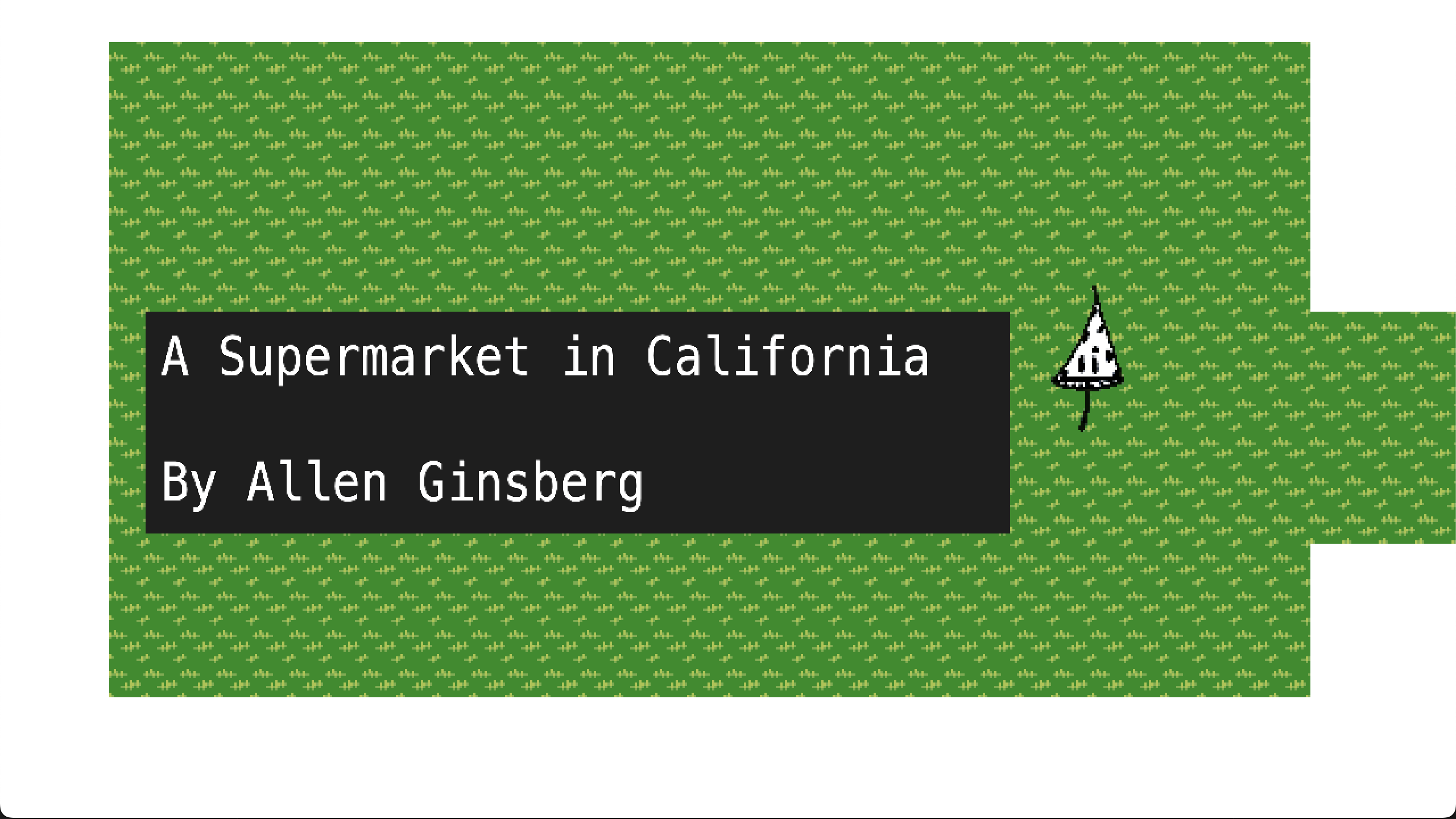
title page
GameMaker is brilliant. i shopped around first but lanned on GM partly because its free, but also its blend of node based design and code, allowing you to get into the guts of how it all works. i would be more opinionated on it but honestly, it being free and fairly quick to get to grips, got me invested pretty quickly.
now full disclosure, i code fairly recently, however, i’ve never really touched animation (other than Jitter) or anything where characters need to move around, so 2D seemed like a good introduction to this type of code. GML (GameMaker Language) is pretty straight forward in this respect and movement is based on a relative x / y axis of the room with actions being taken on a clock set to trigger every x number of seconds. this movement system was a little fiddly but handily, GM runs a terminal updating you on bugs and crashes making it much MUCH easier to identify whats going wrong with your code.
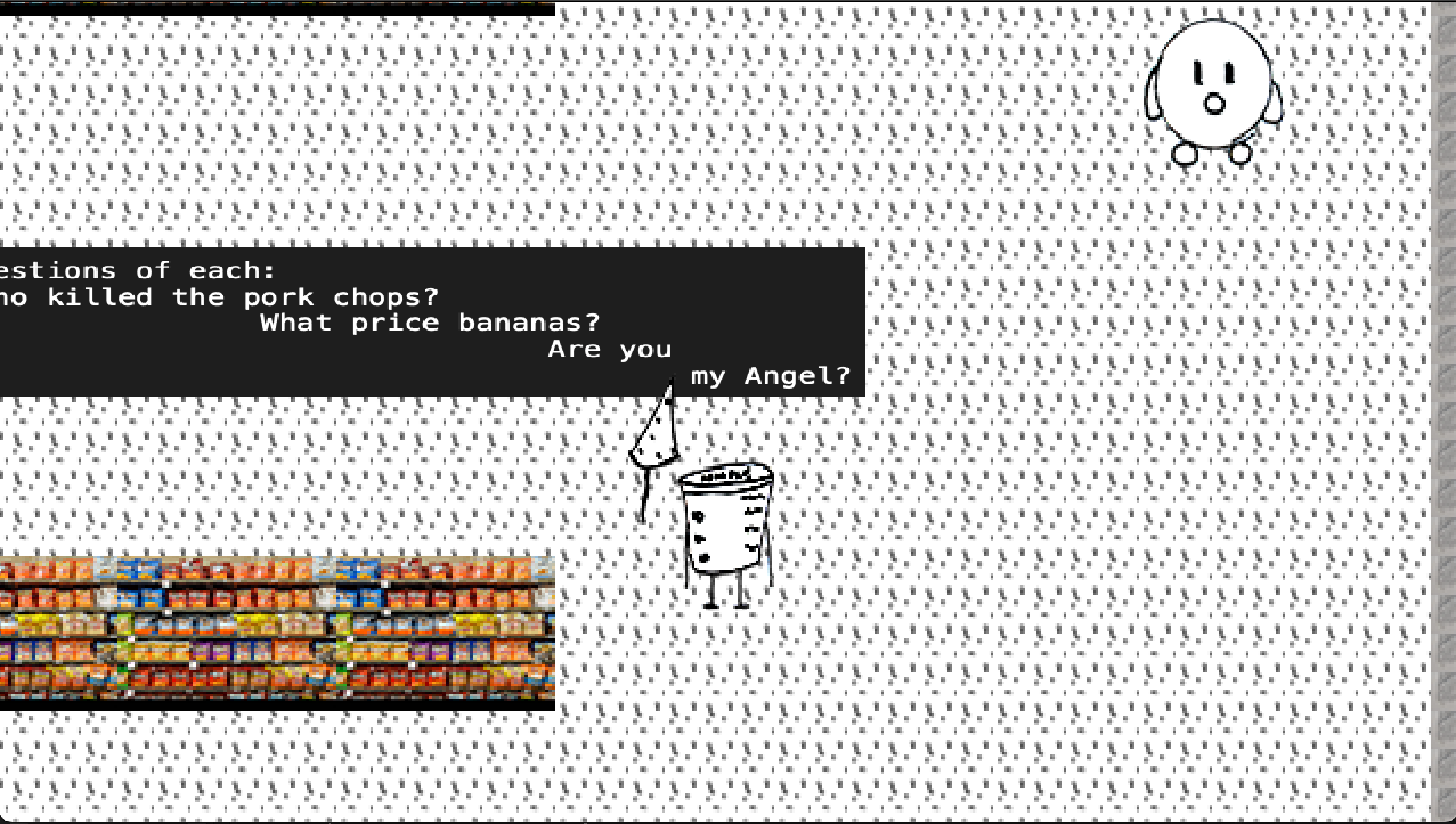
"aisles full of husbands! wives in the avocados, babies in the tomatoes!"
the game feel i was aiming for was something between a flash game, with it’s handdrawn assets, and the works of Stephen Gillmurphy (i highly recommend 10 Beautiful Postcards, don’t question it, just experience it). he also writes really well, talking at length about game making and design, but also reflections on life. he was my first exposure to the “landscape of desire”, a concept i’ve been a bit obsessed with since.
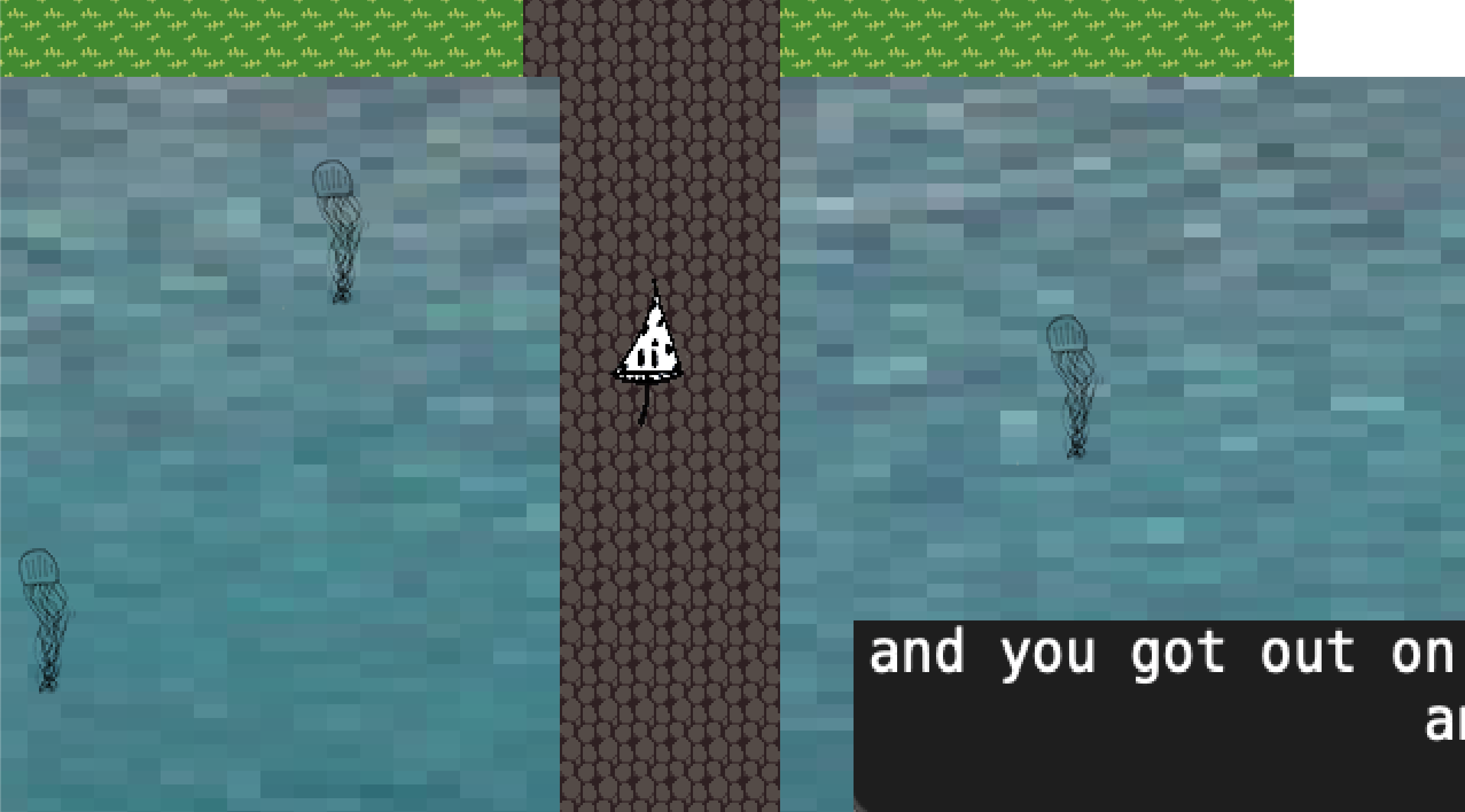
the game follows your little character “Mushma”, with the aim to basically just explore and read all the excerpts of the poem, enjoying some light visual humour and the disjointed animations of some silly little characters. it’s fairly barebones, with your only interactions with the world being your capacity to move around and be followed by certain npc’s, but i felt it captured the kind of meandering tone of the poem pretty well.
again, this one was made as a gift (for Agnes’ birthday this time), so it’s filled with little jokes and references, but i plan to spend the winter working on something more broader. giving myself an excuse to learn a little more about game making while enjoying some rest time from my main art practice.
the game is set to a midi keyboard version of Harvest Moon by Neil Young
it’s not the only way i’m playing with non-linear mediums and methods of story telling and there will be more info on that soon, but i think i plan to play with game making a little more. if only for the fun of learning its languages and eccentricities. more and more the world feels fractured, disconnected and bity, so i’d like to try play with that texture (and its absense) in my work. additionally, we exist in a time where we are surrounded by choices, but also stifled by them. constantly asked to define ourself in relation to capitalistic commifications of identity. where best to explore this in my own work, than with a medium that was nearly purpose built to confront questions of choice and agency.
bye for now!
08.12.2025 - a supermarket in california